Resources

What we’ve learned from working with 100 breweries

Hard-earned lessons and recurring patterns from nearly two decades working in craft beer.

CODO just kicked off a rebrand with its 100th brewery client.

That’s a nice round number. Let’s go back in time for a moment to see how we got here. 

Cody and I graduated from Herron School of Art & Design in May 2009 and founded CODO the following Monday, built on the belief that we could create better work by putting our clients at the center of the creative process. 

We landed our first brewery client in 2010 and earlier this month — July 2026 — crossed the 100 brewery client mark. 

CODO is a food and beverage branding firm — working across hospitality (bars / restaurants), CPG food and snack brands, cannabis, cider and distilling. But the bulk of our work (i.e. the thing that allows me to feed and clothe my children and pay our team well) is beer

Beautiful, wonderful craft beer. 

I wish we had more pictures of these early years. Most of the ones I have are of Cody frowning at something I just said or did. 

Over the last seventeen years, we’ve worked with a wide range of clients: Top ten breweries by volume, producing hundreds of thousands of barrels a year, down to husband-and-wife teams taking the leap to bring something vibrant to their community. Brewpubs, regional brands, national brands, lifestyle brands, publicly traded CPG companies. International clients. Brands older than the United States itself.

Different sizes, different markets, different teams, different ambitions. But more similarities than you’d expect.

So for today’s issue, I want to reflect on what we’ve learned along the way. 

I’ll try to keep these broadly applicable to your business — these are lessons about branding and positioning beer, not just about running a branding firm. Though if I slip into the latter category occasionally, apologies in advance.

Our first office was a 10 x 10 room in the back of a non profit’s office. We sweated our asses off in the summer and had to wear gloves in the winter. But it was ours. Cody and I drank easily 10,000 beers in this little room. No idea how we actually survived these early years. 

Also, that Tom Selleck picture has adorned the walls of all four of our offices over the years. It’s currently hiding in the upstairs bathroom at our new office as a confusing easter egg for anyone who finds it.

Part 1: Foundation 


1

People learn through stories 

This point is broader than just beer, but it shows up in our work daily. People understand the world through stories. That’s how we learn, how we teach, how we decide what matters and how we form emotional connections with brands.

Craft beer itself was built on a story: David vs. Goliath. A handful of scrappy brewers welding dairy tanks together, changing laws and convincing bars to take a chance on something different (full flavored ales). Those early breweries weren’t just selling beer. They were selling the idea that beer could be better.

That story helped build the entire industry.

As drinker demographics shift and the industry works to recruit new drinkers, it’s worth remembering that people rarely connect with process or ingredients alone. They connect with meaning.

Two takeaways:

> A: I was on a call with a brewery in planning recently and the owner talked about how their mission was to fight the big macro brands and offer better crafted, local beer. 

I didn’t say this, but it’s been years since I’ve heard someone say something like that and it felt really out of touch. Not in a bad way, but just dated. 

Craft, as a whole, needs to reevaluate its story. New drinkers today (say, a 22 year old) came up in a world where craft has always been available. They have no idea how heady it was to go to a bar and order a Fat Tire or a Zombie Dust or a Two Hearted or a Sierra Nevada Pale Ale or [insert your earliest craft go-to] in 2012. 

So the small vs. big messaging likely no longer resonates at a minimum, and worse, may seem out of touch. This is a much deeper conversation than we can have here, but it’s something I think about regularly. 

> B: What is your brand’s origin story? Have you given your fans — and your team — a clear and compelling narrative to rally around? That someone can easily remember and share? Can a (precocious) 8-year old tell your story? If not, you might need to revisit it.


2

You need to know where you stand

Every brewery needs values — and not as a check-the-box exercise buried in a forgotten slide deck. These should be the principles that guide decisions when things get difficult.

Markets change. Consumer preferences shift. Styles come and go. When those forces start pulling your business in different directions, your values act as a compass. They help you decide what fits your brand and what doesn’t.

We’ve seen breweries struggle when they try to chase every opportunity that appears in the market. The strongest brands tend to be the ones that know exactly what they stand for and use that clarity to guide their choices.

That doesn’t mean refusing to evolve. It means evolving in ways that still feel authentic to the core of your brand.

> Takeaway: Define your values early and use them to guide decisions. Your strategy can evolve, but your principles should remain steadfast.

3

You need a real reason to exist

A beverage trend is not reason enough to bring something to market.

We see this constantly. A style gets hot, a format takes off, and suddenly everyone wants in. But wanting a piece of a growing category and having a genuine reason to enter it are two very different things.

Before you build a brand around anything — a new beer, a line extension, a Sub Brand, an event — you need to be able to answer a hard question: Do your consumers actually want or need another option here? And can you produce something that will cut through the noise, achieve velocity and find a home in their fridge at home? 

That answer almost always starts with a single, compelling consumer insight. 

Not a demographic note. Not a trend report. But a specific use case, occasion or unmet need that your product is uniquely positioned to solve. One is enough. But without it, you’re building on a shaky foundation.

No amount of great branding will save a product the market never asked for.

> Takeaway: Before you build, validate. A strong brand amplifies a good idea — it can’t manufacture one.


4

Flagships matter 

We’re using the term “flagship” loosely here.

Your brand needs a hero. It might be a flagship beer (or Sub Brand) that anchors your portfolio. It might be your parent brand itself. It might even be a beloved seasonal release or a defining event tied to your brewery.

But successful brands almost always have a clear focal point — a thing that acts as a scaffold around which the rest of the business can grow.

When you look at durable beer brands that have thrived over the past twenty years, they all have something people associate with them immediately. That one beer. That one experience. That one story. 

Without that anchor, everything else becomes harder. Your portfolio gets confusing. Your messaging gets diluted. Your team starts pulling in different directions.

> Takeaway: Every brewery needs a hero product or defining idea that carries the brand forward.

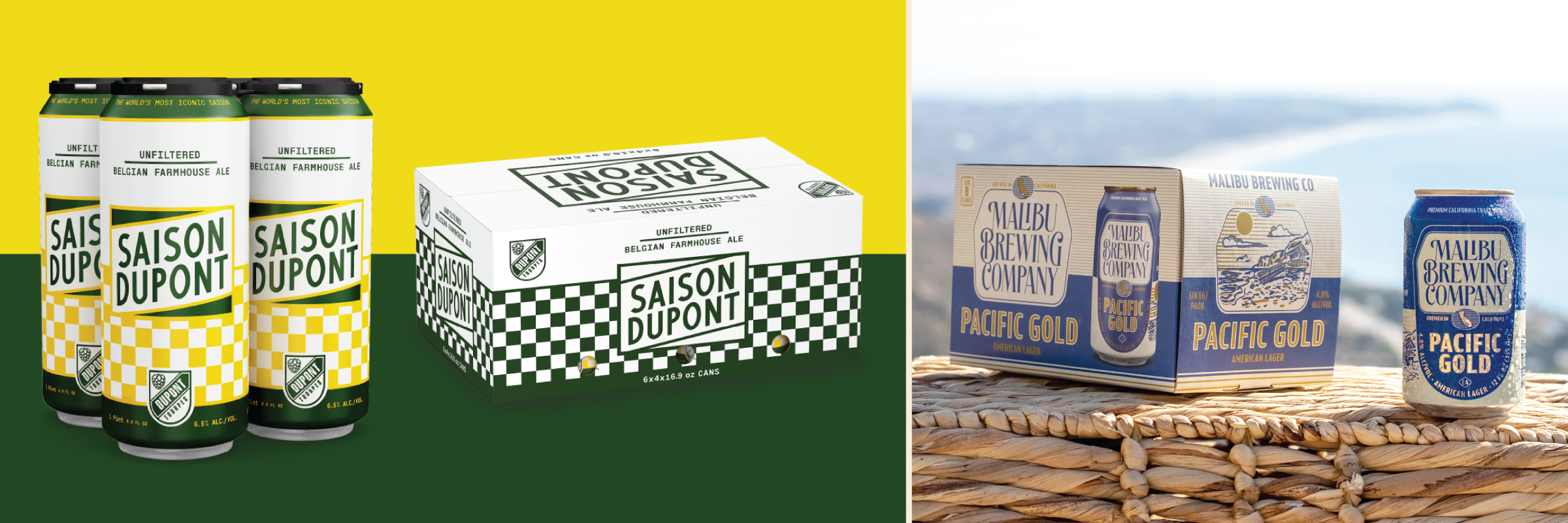
 Flagships from Wachusett, KettleHouse, Prost and NoDa

Part 2: Business

5

Your team is everything 

At a glance, this point might seem obvious — bordering on trite — but it’s one of the clearest patterns we’ve seen in nearly two decades of doing this work.

The best projects we’ve been part of had incredible client-side teams. You can feel it almost immediately on that first call. There’s a sense of shared purpose, a lack of ego and a willingness to collaborate. People challenge each other in constructive ways and take ownership of their roles.

On the flip side, projects with fractured teams almost always struggle — no matter how talented your creative partners are.

Another layer here: Capacity. 

Even great teams can derail a project if they simply don’t have the time or attention to engage with the process. Branding work requires focus — both during the project itself and in the months and years that follow as you actually carry that work forward. 

> Takeaway: Great teams produce great outcomes. Protect your culture, make sure the right people are involved and confirm you have the time and capacity to fully commit before starting a major creative project.


6

Sales & marketing are different functions 

Sales and marketing are not the same job. We hear the terms used interchangeably — sometimes inside the same meeting — and it’s one of the most expensive mistakes we see breweries make.

Sales is B2B. It’s building relationships with distributors, earning PODs with retailers and fighting for tap handles. It’s relationship-driven work that happens long before a consumer ever sees your beer. It’s the unsexy grind of building a brand. 

Marketing is consumer-facing. It’s what helps someone recognize your beer, feel good about ordering it and remember it later. Your packaging, story and reputation all live here.

Sales gets you into the room. Marketing helps you get chosen once you’re there. Your brand is what they already believe about you when you walk in.

When breweries struggle, we often see one of these functions trying to compensate for the other. Sales teams pushing harder because the brand isn’t pulling its weight. Or marketing teams assuming great packaging alone will drive distribution. The strongest breweries understand the distinction and build both functions intentionally.

> Takeaway: Treat sales and marketing as complementary but distinct functions. Each requires its own strategy, resources and leadership.

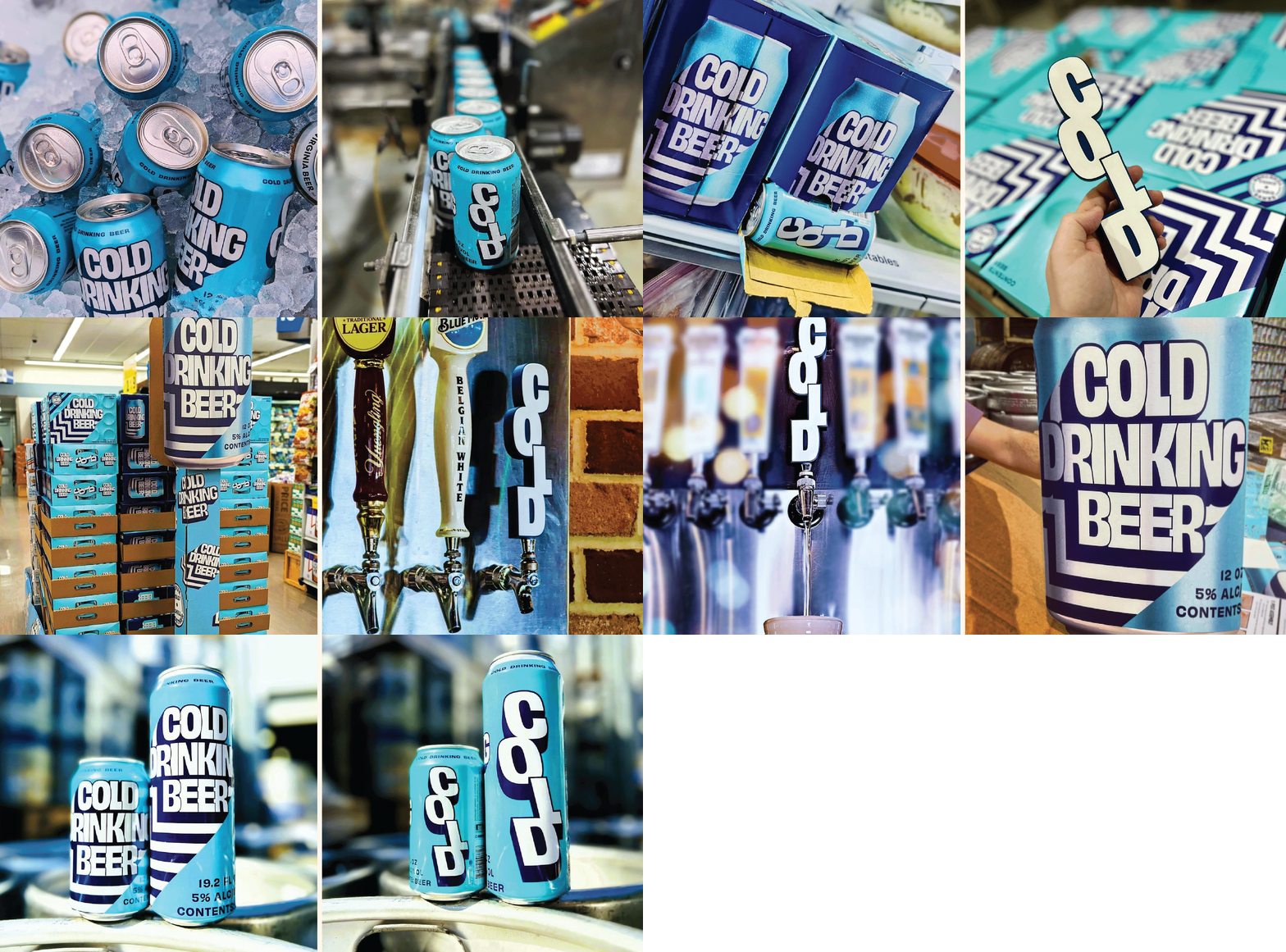
Printer’s Ale Manufacturing Co. For years, people didn’t believe this was a real business. They assumed we made it up for our portfolio coming out of school. 

Plus, Lost Nomad‘s Modular Brand Identity System

7

If branding is 90%, the other half is follow through 

While we’re talking about sales, a quick note.

Great branding — your identity, packaging, merch, POS and everything surrounding the brand — is mission critical to differentiating your brewery and forming a connection with your customers. A well-executed brand identity and packaging can provide a huge lift. 

It can clarify your positioning, attract attention on the shelf (and from wholesalers) and give your team something they’re proud to rally around.

But branding is not a substitute for execution.

The best looking cans in the world — filled with the best beer in the world — won’t sell if you’re not out there doing the daily work of building your brand. Showing up in the market. Talking to buyers. Supporting your distributor. Hosting events. Earning new PODs. Sampling. And reinforcing the story over and over (and over and over) again.

(A gentle reminder that this is your responsibility. In almost all cases, your wholesaler won’t do this work. It’s up to you.)

> Takeaway: A strong brand creates opportunity, but only consistent execution turns that opportunity into sales.

Sweating the details on Alewerks’ refresh and lovely work with our friends at Fertile Ground

Part 3: On creative work


8

Great creative work takes time 

Your brand will outlast any single beer you make. It will be in market longer, touch more people and carry more weight than any recipe you’ve ever dialed in. Which is why you have to protect the process.

We get calls regularly from breweries that need six months of work done in five weeks. Sometimes that’s unavoidable — a retail pitch came through, a distributor deadline moved up, a co-packer slot opened earlier than expected. We get it. The real world doesn’t wait. And for the record, CODO can sprint with the best of them.

But we’d rather not.

When you rush brand strategy and creative work, you’re not just cutting corners on a deliverable. You’re making decisions that will be in market for years. Decisions you’ll likely have to revisit — and pay to fix — sooner than you’d like.

The goal isn’t to slow everything down. A well-run branding process should move at a decent clip. 

But you need enough space to get the strategy right, explore creative directions thoroughly and pressure-test what you’re building before it goes live.

Do it well once. And you won’t have to do it again a few years from now. 

> Takeaway: Your brand is your most durable asset. Give the process the time it deserves.


9

Nothing kills great design faster than bureaucracy

Great creative work requires clarity and trust. The fastest way to destroy it is to involve too many decision-makers without a clear process.

We’ve seen projects stall because every stakeholder needs to weigh in. Boards, committees and endless rounds of feedback can slowly chip away at strong ideas until what remains is a watered-down compromise. Everyone gets a small piece of what they asked for, every concern and fear is aired and considered — and on the other side, any semblance of clarity and conviction are gone.

Creative work requires leadership. 

Someone needs the authority to make decisions, synthesize feedback and keep the project moving forward. Without that, even the most promising work gets stuck in an endless loop of revisions.

Takeaway: Clearly define who has decision-making authority before a project begins. Limit the number of voices involved and establish a clear approval process.


10

Best idea wins

If bureaucracy is the structural enemy of great creative work, ego is the personal one. We’ve seen it kill projects from both sides of the table.

On the agency side, it looks like attachment — a team that falls in love with their own solution and stops listening. 

On the client side, it looks like hierarchy — the loudest voice in the room winning by default, or a founder overriding good thinking because it doesn’t match their original vision. 

Or a marketing director that wants to make sure their fingerprints are on a project. 

The best projects we’ve been part of had one thing in common: Everyone left their ego at the door. The best idea won, regardless of where it came from. Sometimes it came from us. Often it came directly from a client or stakeholder — someone who knew their brand, their market or their customer better than we ever could.

That’s not a failure of the creative process. That’s the creative process working exactly as it should.

> Takeaway: Set your ego aside and stay oriented toward the best outcome. The goal isn’t to be right — it’s to get the work right.

Part 4: The long game


11

Craft beer thrives in a space 

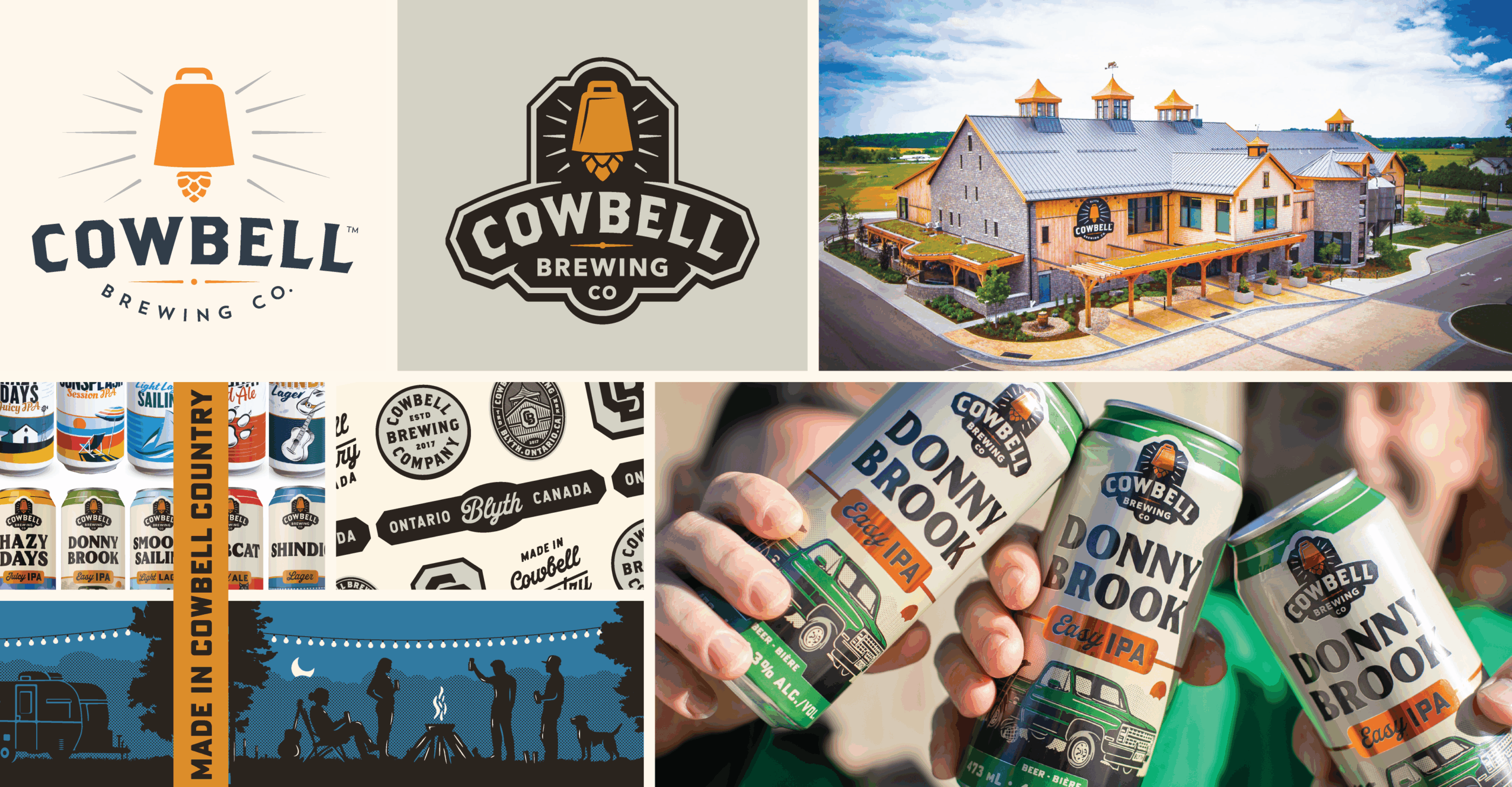
One of the defining features of craft beer is the importance of physical space. Taprooms, brewpubs and brewery campuses are where people actually experience your brand.

We’ve worked with many breweries that operate successfully without a brick-and-mortar location. But when a physical space exists, it becomes one of your most powerful brand-building tools available.

That space is where rituals form. It’s where people bring friends, celebrate milestones and build memories tied to your brand. Done well, a brewery space becomes an immersive brand experience — the place where your beer, hospitality, design, music, food and culture all come together.

We believe this so strongly that Cody and I bought our own building for CODO a few years ago. Having a place to gather, work and host people has shaped our business in ways we never expected.

Space shapes culture. And in craft beer, culture is the brand.

> Takeaway: Your physical environment is one of your strongest brand assets. Treat it with the same care as your beer, packaging and overall brand experience.

Cody and I bought our building at the end of 2024. (Just in time for CBC in Indy.)

Renovating it with my daughters has been one of the most rewarding things I’ve done and I spend a lot of time day dreaming about buying / renovating old properties with my kids. Over/under on that being my second act?

12

On preventative maintenance 

We first heard this idea articulated by Loy at MAP Brewing on our podcast, and it stuck with us.

It’s easy to make big investments when the sun is shining and the cash is flowing — new equipment, CapEx projects, a big package refresh, updated taprooms and FF&E.

But when sales stall, those same decisions become much harder.

The breweries that weather downturns best tend to be the ones that are always looking a few steps ahead. They maintain their equipment. They continue investing in their brand, their business and their team. And they think about the next phase of the company long before they’re forced to.

> Takeaway: Plan ahead while things are going well. The best time to prepare for the next challenge is before it arrives.


13

Your brand will evolve over time

A brewery brand isn’t a fixed object. It develops over time.

As your business grows, your audience changes, your portfolio expands and your market evolves. The strongest brands adapt alongside those changes while still maintaining a recognizable core.

Many of the best rebrands we’ve worked on weren’t about reinventing the brewery. They were about refining and clarifying what already existed — updating the brand to reflect where the business had actually arrived (or was going).

And it’s worth remembering that branding — the act of building and shaping your brand — isn’t a one-and-done exercise. It’s perpetual. Every label you release, every event you host and every interaction someone has with your brewery contributes to the brand people experience.

> Takeaway: Treat your brand as a long-term asset and branding as an ongoing practice — not a project you complete once and move on from.

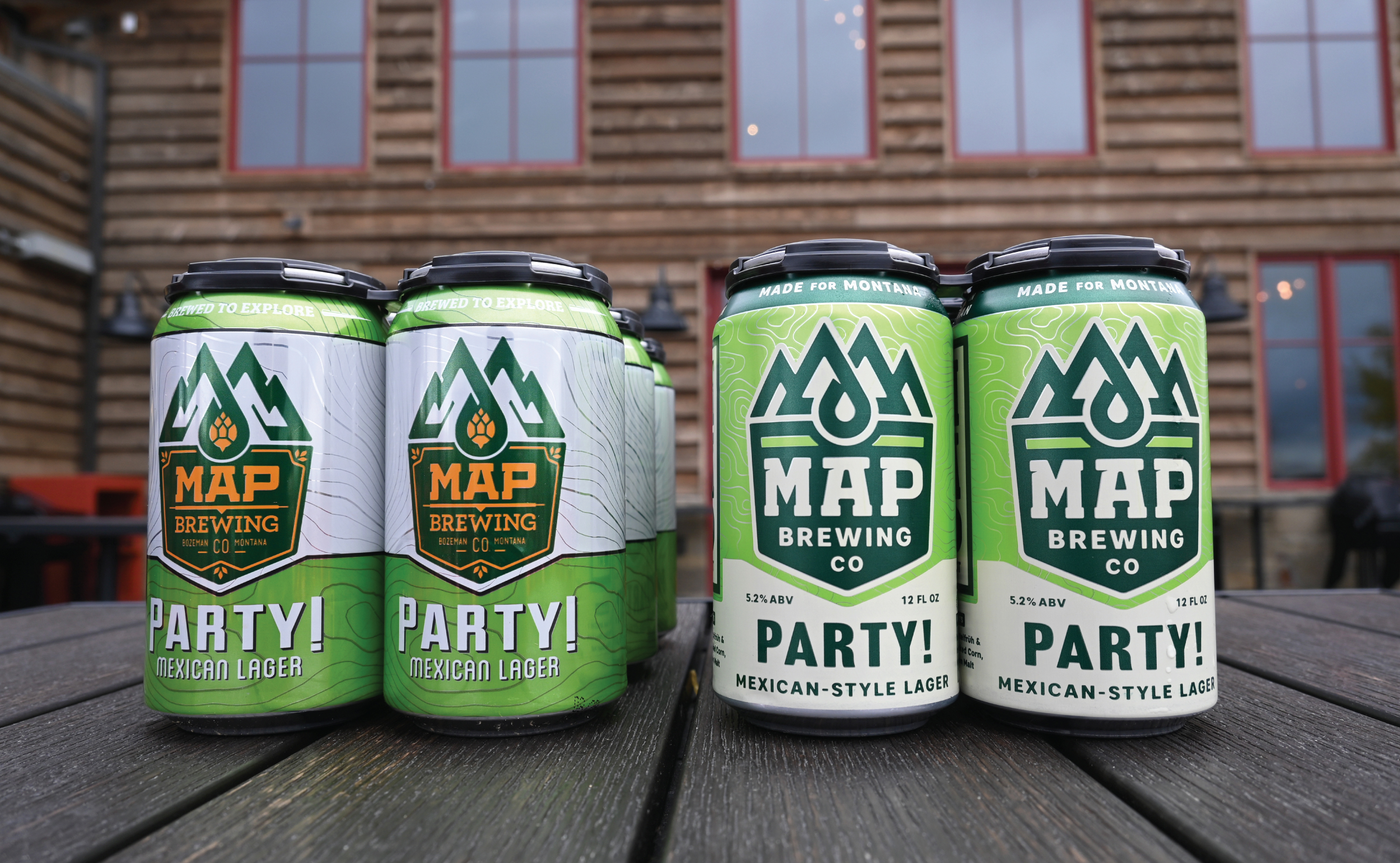
CODO x MAP Brewing

Aging like cheap wine. But we’re still here. 

Wrapping up 

Working with 100 breweries has been an extraordinary privilege. 

This work has taken us around the world and taught us more about people — through the shared language of beer — than we ever expected when two kids left art school and started a company.

We’re grateful to every founder, marketer and operator who has trusted us with their brand. We’ve learned as much from you as you ever have from us.

Here’s to the next hundred.

– Isaac